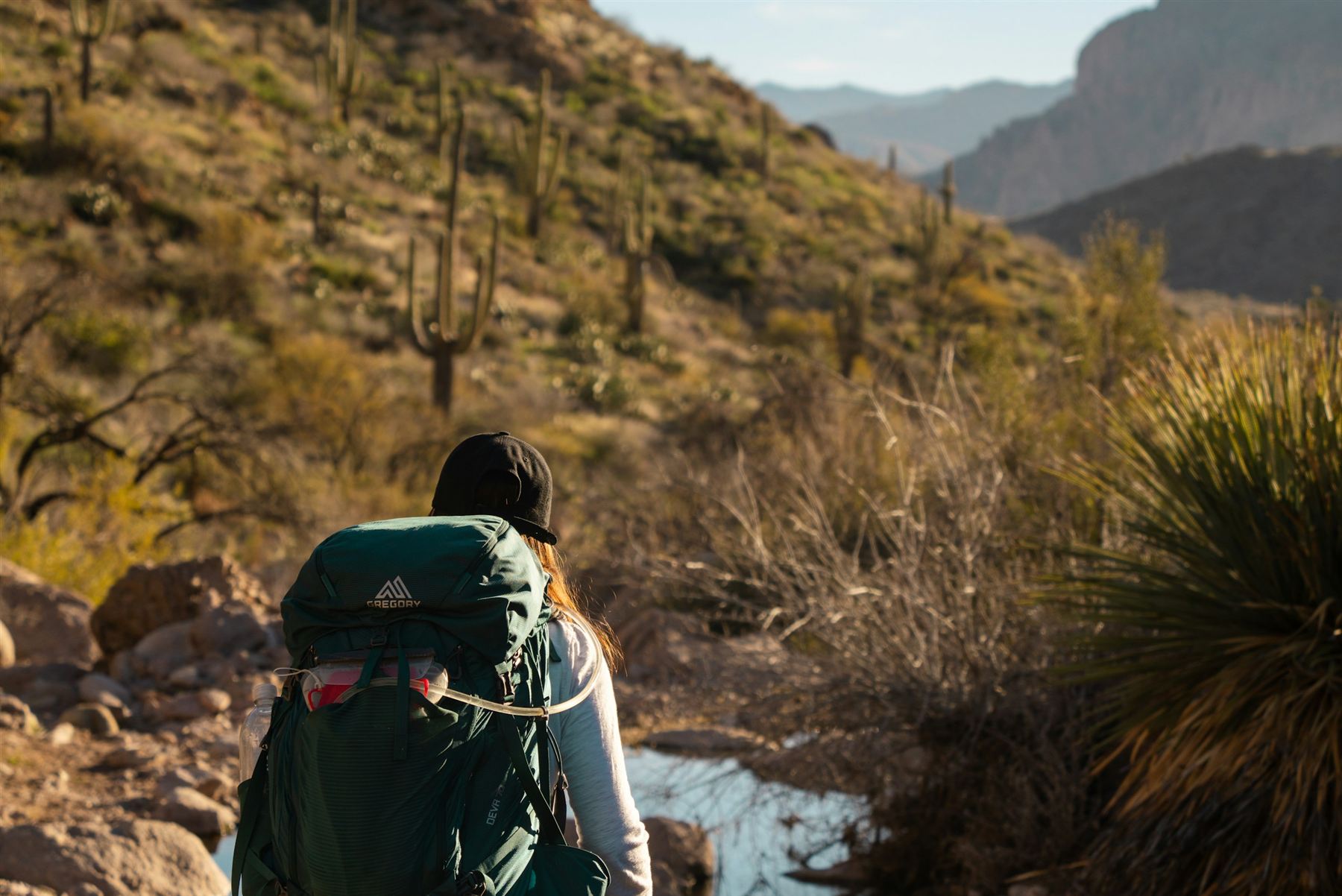
How to Explore Arizona's Desert Safely
Arizona's deserts are beautiful, varied, and genuinely demanding environments. Visitors may encounter intense sunlight, low humidity, high temperatures, limited shade, rough terrain, sudden storms, long distances between services, inconsistent cell service, wildlife, and weather that can shift faster than expected. None of that should discourage you from exploring — it just means preparation matters more here than in most places.
Arizona's desert landscapes are rewarding to explore, but they should never be underestimated. Carry enough water, understand the weather, stay on established routes, and turn around before conditions become unsafe. The great majority of desert emergencies come down to a handful of preventable factors: too little water, poor timing, and a reluctance to change plans once conditions shift.
Travelers who prefer to explore with local knowledge, private transportation, and less personal responsibility for navigation can also consider a private guided Arizona or Grand Canyon tour — it removes much of the planning burden this guide covers.
The Arizona Desert Is Not One Environment
"The desert" varies enormously across Arizona, and safety recommendations should be based on your exact location, elevation, season, and activity — not a single statewide assumption.
Sonoran DesertPhoenix, Scottsdale, Tucson, Organ Pipe Cactus National Monument, Saguaro National Park. Very hot summers, large cacti, lower elevations, monsoon storms, limited natural shade.
High DesertSedona, Verde Valley, the Prescott region, and parts of northern Arizona. Cooler than Phoenix, greater seasonal variation, cold winter nights, occasional snow, still-strong sun exposure.
Colorado PlateauThe Grand Canyon region, Monument Valley, Page, and the Painted Desert. Higher elevations, large temperature swings, wind exposure, remote roads, snow and ice in winter.
Check the Weather Before Every Desert Trip
Check conditions shortly before departure rather than relying on a forecast you saw several days earlier. Look specifically for excessive heat warnings, thunderstorms, flash-flood watches and warnings, dust storms, high winds, winter weather, wildfire closures, and road closures.
It helps to understand the difference between the two main alert levels: a watch means hazardous conditions are possible, while a warning means hazardous or life-threatening conditions are occurring or expected soon, and immediate action may be required. Our Arizona Weather Guide, Arizona Driving Guide, and Grand Canyon Weather Guide all go deeper into seasonal and regional conditions.
Extreme Heat Is the Greatest Desert Danger
Desert heat can become dangerous quickly, particularly for visitors who aren't accustomed to Arizona temperatures. Risk factors include hiking during the hottest part of the day, starting a trail too late, underestimating the return trip, carrying too little water, drinking alcohol beforehand, wearing unsuitable clothing, having limited access to shade, certain medical conditions, and traveling alone.
The National Park Service advises visitors to avoid strenuous lower-elevation hiking during extreme heat and warns that heat-related emergencies can become fatal. This isn't meant to sound alarming — it's simply the single most important fact on this page.
Choose the Right Time of Day
Begin early in the morning, finish exposed activities before peak afternoon heat, and avoid long hikes during excessive heat warnings. Choose shorter or shaded routes when temperatures are high, consider moving to higher elevation during severe summer heat, and be willing to change the activity entirely rather than forcing the original plan.
Sunrise hiking does not automatically make a route safe if the hike is long enough to leave you exposed during midday. The turnaround time should be decided before the hike begins — not after someone starts feeling exhausted.
Hydration in Arizona's Dry Climate
Arizona's low humidity means sweat evaporates quickly, so people can lose water fast even when they don't feel excessively sweaty. Drink before you become thirsty, carry more water than you'd normally expect to need, take regular water breaks, eat appropriately, and replace salts during prolonged exertion. Avoid excessive alcohol, keep emergency water in the vehicle, and never rely on natural water sources.
The National Park Service recommends drinking regularly before thirst develops and preparing adequate water before beginning any outdoor activity. There's no single universal water quantity that applies to every traveler — needs vary by temperature, activity, duration, elevation, age, health, and body size. It's also worth knowing that both dehydration and electrolyte imbalance can become serious during prolonged exertion, so pairing water with food or an electrolyte source matters on longer routes.
Recognizing Heat Exhaustion and Heat Stroke
Possible Signs of Heat Exhaustion
Headache, dizziness, weakness, nausea, heavy sweating, irritability, thirst, elevated body temperature, and reduced urination — among the symptoms identified by the CDC.
Possible Signs of Heat Stroke
Confusion, altered behavior, loss of coordination, collapse, seizure, very high body temperature, or loss of consciousness.
Heat stroke is a medical emergency. Call 911, move the person toward a cooler location when possible, and begin rapid cooling while emergency assistance is being arranged. Do not simply "rest and continue later" when confusion, collapse, or other heat-stroke signs are present — treat it as urgent.
Sun Protection in the Arizona Desert
Broad-spectrum sunscreen with regular reapplication, a wide-brimmed hat, sunglasses, lightweight long sleeves or other sun-protective clothing, lip protection, and seeking shade during breaks all matter more here than most travelers expect. Supervise children's sun exposure carefully, since their skin burns faster.
Sun exposure can remain strong even when temperatures feel comfortable, wind is blowing, the sky is partly cloudy, you're at higher elevation, or snow is on the ground — reflected light adds to direct exposure. Our Arizona Packing Guide covers sun-protection gear by season in more detail.
What to Carry on an Arizona Desert Hike
This checklist is loosely based on the National Park Service's Ten Essentials framework, adapted for Arizona's desert conditions.
Essential Items
- Water
- Food or snacks
- Sun protection
- Trail map
- Fully charged phone
- Backup battery
- First-aid supplies
- Flashlight or headlamp
- Extra clothing layer
- Rain protection when storms are possible
- Whistle
- Emergency contact information
Route-Specific Items
- Navigation device
- Offline map
- Trekking poles
- Additional water
- Traction devices in winter
- Emergency blanket
- Satellite communicator for remote areas
Stay on Established Trails
Established trails mean easier navigation, less chance of getting lost, reduced damage to fragile desert soil, lower likelihood of unexpected cliffs or unstable terrain, better access for emergency responders, and less risk of wandering into restricted or culturally sensitive areas. Don't follow unofficial "social trails" simply because they appeared on social media.
Route markers include trail signs, cairns, junction posts, printed maps, and GPS tracks. Cairns shouldn't be moved, built, or treated as guaranteed navigation unless they're clearly part of the official route — unofficial cairns can mislead as easily as they can guide.
Tell Someone Where You Are Going
Leave a trip plan with a trusted person: the trail or destination name, your starting point, vehicle information, expected return time, group size, and emergency contact details. Notify that person once you're actually back.
For remote travel, remember that cell service may be unreliable and should never be treated as your sole emergency plan.
Know When to Turn Around
Turning around is good judgment, not failure. Reasons to stop or turn back include: water is being consumed faster than expected, temperatures are rising, thunderstorms are developing, someone feels dizzy or ill, the route becomes unclear, daylight is running out, footwear or equipment fails, a road becomes unsafe, wildlife blocks the route, or conditions no longer match the group's ability.
Reaching the destination is optional. Returning safely is not.
Flash Flood Safety
Flash floods can affect slot canyons, dry washes, creek crossings, low-water roads, narrow canyons, desert campsites, and trailheads. Rain doesn't need to be falling directly overhead — water can arrive from a storm many miles away, sunny skies at the trailhead don't guarantee safety, and a dry wash can become dangerous very quickly.
Flash Flood Guidance
Never enter a slot canyon when storms threaten. Never camp or park in a wash. Do not drive across flooded roads. Move to higher ground. Follow official closures and warnings. Never attempt to outrun moving floodwater through a canyon.
The National Weather Service warns that monsoon runoff can produce flash flooding far from the thunderstorm that caused it — flash floods are unpredictable, and canyons and washes are among the most dangerous places to be caught off guard. See our Arizona Weather Guide, Antelope Canyon Guide, and Arizona Driving Guide for more on monsoon timing and road safety.
Lightning and Monsoon Thunderstorms
Monsoon thunderstorms develop suddenly in the afternoon, and lightning often arrives before rainfall does. Expect strong winds, falling branches, rapid temperature drops, flooding, and limited shelter across Arizona's open landscapes.
Leave exposed ridges and overlooks, avoid isolated trees, exit open water, and return to a substantial building or enclosed vehicle when possible. Avoid beginning a long, exposed hike when storms are developing, and check radar and official alerts before you depart. Caves, shallow overhangs, open picnic shelters, and isolated trees are not safe lightning protection.
Dust Storm Safety While Driving
Dust storms, most common across central and southern Arizona, can reduce road visibility to nearly zero within seconds. If dense dust is approaching, avoid entering it when possible. If you can't avoid it: pull completely off the paved roadway, stop the vehicle, set the parking brake, turn off your headlights, take your foot off the brake so your brake lights don't illuminate, and remain inside with seat belts fastened until visibility improves.
These steps align with National Weather Service dust-storm driving guidance. Our Arizona Driving Guide covers more seasonal driving hazards statewide.
Wildlife Safety in the Arizona Desert
Arizona's desert wildlife includes rattlesnakes, scorpions, spiders, javelinas, coyotes, mountain lions, bees and wasps, elk and deer at higher elevations, and free-ranging cattle in rural areas. Most encounters don't become dangerous when animals are simply left alone.
Never feed wildlife, give animals plenty of space, and watch where you place your hands and feet. Don't reach beneath rocks or into hidden spaces, shake out shoes and clothing when camping, keep children and pets nearby, and don't approach animals for photographs — back away calmly if you encounter one.
Rattlesnake Safety
Stay on open trails, watch where you step, and use extra care around rocks, brush, and shaded spaces. Never attempt to touch, move, or kill a snake — simply give it room to leave, and keep pets leashed.
If Someone Is Bitten
Call 911. Reduce unnecessary movement, remove rings or restrictive items near the affected area, follow emergency-dispatch instructions, and seek professional medical treatment promptly. Do not cut the wound, attempt to suck out venom, apply ice, use an improvised tourniquet, or try to capture the snake.
Cactus and Desert Plant Safety
Cholla cactus segments, prickly pear spines, agave leaves, thorny shrubs, and toxic or irritating plants are all part of the desert landscape. Stay on trails, avoid brushing against vegetation, supervise children, and keep pets controlled. Never collect plants from protected land, and carry tweezers or a fine comb for minor cactus encounters — deeply embedded spines are sometimes better handled by medical staff than removed aggressively on the trail.
Desert Driving and Vehicle Safety
Fill the fuel tank before remote travel, carry extra drinking water, check your tires, keep your phone charged, download maps in advance, and check road conditions before departing. Avoid unmaintained roads in unsuitable vehicles, and never leave children or pets in a parked vehicle, even briefly.
If you become stranded in a remote area, staying with the vehicle is generally safer than walking away from it, unless remaining creates immediate danger — a vehicle is far easier for rescuers to locate than a person on foot. See our Arizona Driving Guide, Arizona Maps, and Arizona Airports Guide for more trip-planning detail.
Remote Roads and Unpaved Routes
There's a real difference between maintained gravel roads, forest roads, reservation roads, four-wheel-drive roads, and unmarked tracks. Before heading out, verify vehicle requirements, road condition, weather, fuel range, cell coverage, seasonal closures, and any rental-car restrictions on unpaved travel.
A road appearing on a digital map does not guarantee that it's open, maintained, or suitable for a passenger vehicle — many remote Arizona roads look identical on a screen despite very different real-world conditions.
Desert Safety for Children and Families
Favor shorter activities, early starts, frequent water breaks, and more shade. Sun-protective clothing, close supervision around cliffs and cacti, and never allowing children to approach wildlife all matter more with kids along. Watch for early signs of fatigue, and choose routes based on the least-experienced member of the group.
Children may not recognize or communicate heat illness as clearly as adults do, so it's worth checking in on how they're feeling more often than you think necessary.
Desert Safety for Older Travelers
Heat sensitivity, medication considerations, balance on uneven terrain, hydration, mobility, altitude, and the value of frequent rest breaks all deserve extra attention. Not every older adult has the same capabilities, so it's worth choosing accessible viewpoints and shorter walking routes when that better matches the group. Travelers with medical concerns should discuss strenuous heat exposure or high-elevation activity with a qualified healthcare professional before their trip. Our Grand Canyon for Seniors guide and Arizona Accessibility Guide cover this in more depth.
Desert Safety When Traveling With Pets
Leash requirements, hot pavement, limited shade, water needs, cactus spines, snake encounters, and wildlife conflicts all apply to pets as much as people. Never leave a pet in a parked vehicle. Many national park trails restrict dogs entirely, so verify individual park rules before you arrive rather than assuming your pet is welcome everywhere.
Common Desert Safety Mistakes
- Starting too late in the day
- Carrying too little water
- Relying entirely on a cellphone for navigation or rescue
- Hiking farther downhill or downstream than planned
- Ignoring heat warnings
- Entering a wash during storms
- Leaving the established trail
- Wearing unsuitable footwear
- Approaching wildlife for a closer look or photo
- Underestimating elevation change
- Driving remote roads without preparation
- Refusing to change plans when conditions shift
What to Do During an Emergency
Call 911 When Possible
Provide the nature of the emergency, your location, the trail or road name, nearby landmarks, the number of people involved, medical symptoms, and clothing descriptions.
When Cell Service Is Unavailable
Stay calm, use a satellite communicator if you have one, signal with a whistle or light, conserve water and energy, seek shade, stay near a known route, and avoid unnecessary wandering. Emergency response in remote desert areas can take time, which is exactly why prevention matters so much more than reaction.
Official Safety Resources
Explore Arizona with a Private Local Guide
Grand Canyon Journeys offers fully private tours from Sedona, Flagstaff, and Williams. Your group travels in a private vehicle with an experienced guide who knows the season, the roads, and the conditions — so you can enjoy Arizona's landscapes without handling every detail of driving, navigation, parking, and trip planning yourself. A private guide doesn't eliminate every risk, and tours are adjusted or rescheduled around unsafe conditions just like any well-planned outing should be.
Frequently Asked Questions
Is the Arizona desert safe for tourists?
Yes, when visitors prepare for heat, weather, terrain, wildlife, and limited services. Most desert emergencies are preventable with basic planning and good judgment.
How much water should I bring into the desert?
Needs vary by temperature, duration, exertion, and personal factors, so there's no single universal amount. Carry more than you think you'll need, and begin drinking before you feel thirsty.
What is the greatest danger in the Arizona desert?
Extreme heat is one of the most serious and common hazards, particularly during summer and on exposed lower-elevation trails.
Is it safe to hike in Arizona during summer?
Some higher-elevation or very short early-morning activities may be appropriate, but strenuous lower-desert hiking can become dangerous during extreme heat and is best avoided.
What should I do if I see a rattlesnake?
Stop, give it space, and allow it to move away on its own. Never attempt to touch, move, or kill it.
Are flash floods common in Arizona?
They're an important seasonal danger, especially in washes, slot canyons, and low-water crossings during monsoon season from roughly July through September.
Can flash flooding occur when the sky is clear?
Yes. Runoff can arrive from a storm many miles away, so clear skies overhead don't guarantee a wash or canyon is safe.
What should I carry on an Arizona hike?
Water, food, sun protection, navigation, a light source, first aid, weather protection, and emergency communication appropriate for the route and its remoteness.
Is cellphone service reliable in the Arizona desert?
No. Service may be weak or unavailable in canyons, on tribal lands, and across remote areas, so it should never be treated as your only emergency plan.
Should I stay with my vehicle if it breaks down?
In many remote situations, staying with the vehicle makes you easier for rescuers to locate, unless its location creates an immediate danger.
Continue Planning Your Trip
These guides go deeper into the destinations and logistics covered above.
Arizona Weather Guide
Seasonal conditions and monsoon safety by region.
READ GUIDE →Arizona Driving Guide
Road conditions, distances, and driving tips statewide.
READ GUIDE →Arizona Packing Guide
What to bring for every season and elevation.
READ GUIDE →Grand Canyon Hiking Guide
Trail conditions and preparation for a safe hike.
READ GUIDE →Arizona Emergency Information
Emergency numbers and safety contacts for your trip.
READ GUIDE →Arizona Accessibility Guide
Travel tips for seniors and visitors with mobility concerns.
READ GUIDE →