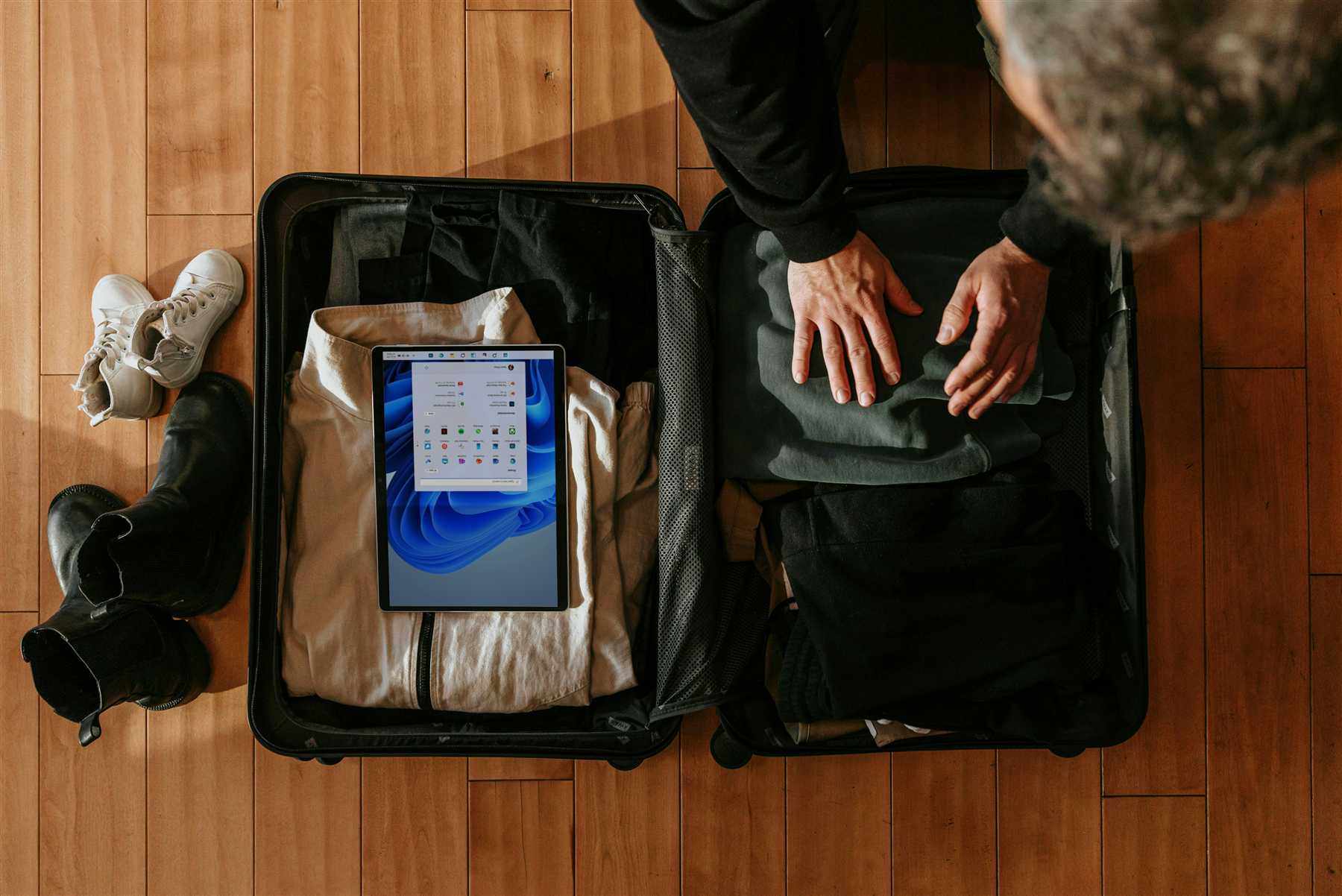
Why Packing for Arizona Is Different
Arizona is one of the few places where a single week-long itinerary can genuinely require both summer and winter gear. A traveler sightseeing in Phoenix might sweat through 105°F afternoons, then drive two hours north and watch their breath fog up at a Grand Canyon sunrise the very next morning. That gap, driven by elevation rather than season, catches more visitors off guard than almost anything else about an Arizona trip.
The good news is that packing for it well doesn't require an enormous suitcase — it requires the right layers, chosen deliberately, rather than a pile of clothes for every possible condition. This guide breaks that down by season, by destination, and by activity, so you can pack once and actually use everything you bring.
Year-Round Essentials
A handful of items belong in an Arizona suitcase no matter when you're visiting or where you're headed. Arizona's sun is intense at every elevation and every time of year, and its distances mean you'll spend more time outdoors, in a vehicle, and away from easy resupply than in a typical city trip.
- Broad-spectrum sunscreen, reapplied more often than feels necessary
- Sunglasses with real UV protection
- A wide-brim hat or cap
- A refillable water bottle — ideally insulated
- Comfortable, broken-in walking shoes
- Lip balm with SPF
- At least one light layer, even in summer
Elevation matters more than the calendar for most of these. Arizona's high desert and mountain towns sit at 4,500 to 7,000 feet, where UV exposure is measurably stronger than at sea level, even on a mild, overcast-feeling day. Sunscreen and eye protection aren't optional extras here — they're the single most commonly underestimated packing item across every season we cover below.
What to Pack for Spring (March–May)
Spring is one of Arizona's most popular travel windows, and packing for it is refreshingly straightforward: light layers that can be added or shed through the day. Mornings can still be cold in northern Arizona, particularly early in the season, and late snow at the Grand Canyon isn't unheard of even in March. Pack a light jacket for mornings and evenings, sunscreen, a hat, comfortable walking shoes, and a refillable water bottle — the same essentials, just with less bulk than winter demands.
Wind is the spring wildcard most visitors don't plan for. Gusty afternoons are common across the state in March and April, which makes a windproof outer layer more useful than a purely insulating one, and can turn an otherwise pleasant desert wildflower walk dusty in a hurry. If your trip lines up with a wet winter, our Arizona Desert Wildflowers guide covers bloom timing and the best places to see it.
What to Pack for Summer (June–August)
Summer packing depends enormously on where you're headed. For Phoenix and the lower desert, prioritize lightweight, breathable, sun-protective clothing, extra water, a cooling towel, and electrolyte packets — daytime heat can exceed 105°F, and even a short walk demands real hydration planning. For Sedona, similar principles apply but with slightly less intensity, plus a compact rain shell for afternoon monsoon storms. For Flagstaff, Williams, and the Grand Canyon's South Rim, summer is genuinely comfortable — pack a light jacket for cool evenings, closed-toe shoes, and sun protection, since the elevation keeps daytime highs far more manageable than the desert below.
What to Pack for Fall (September–November)
Fall packing mirrors spring: layered clothing, a light jacket, sun protection, and a rain shell for early fall storms. Northern Arizona nights turn cold earlier than the desert calendar suggests, so a warmer coat is worth adding for late-fall trips to Flagstaff or the Grand Canyon, especially if your visit stretches into November when early winter storms become possible.
September still carries real monsoon risk in the desert, so don't retire the rain shell just because summer is technically ending. October is widely considered the state's most comfortable, most reliably dry month, and it's also when fall color peaks around Flagstaff, Oak Creek Canyon, and the White Mountains — worth packing a proper camera bag rather than relying on a phone alone if photography is a priority for your trip.
What to Pack for Winter (December–February)
Winter is where regional differences matter most. Phoenix and Scottsdale stay mild, so a light jacket for cool evenings usually suffices. Sedona sees cold nights and occasional snow that melts quickly at lower elevations, so a warmer layer and shoes with real grip are worth packing. Flagstaff, Williams, and the Grand Canyon's South Rim demand genuine winter gear: an insulated jacket, gloves, a warm hat, waterproof footwear, and traction-friendly shoes for icy, shaded trail sections. If you're driving yourself, a few emergency vehicle supplies are worth having on hand too — see our Arizona Weather Guide for full seasonal detail.
Packing for the Grand Canyon Specifically
The Grand Canyon has its own packing logic, since rim conditions and inner-canyon conditions can differ by 20 to 25 degrees. For rim sightseeing, comfortable walking shoes, layers, and sun protection cover nearly everything. For hiking below the rim, real hiking boots with ankle support, significantly more water than feels necessary, electrolytes, and salty snacks all matter — heat exposure increases sharply as you descend, even when the rim itself feels comfortable. Our Grand Canyon Hiking Guide and Grand Canyon Packing Guide both go deeper into trail-specific gear.
Wind at the rim deserves its own mention — exposed overlooks along Desert View Drive and Hermit Road can be noticeably breezier than the parking area suggests, especially in spring and fall. A packable windbreaker earns its space in the bag more often here than almost anywhere else in the state. If you're joining a guided tour rather than driving yourself, a small day bag is still worth bringing; your guide will handle water and logistics, but you'll still want a camera, sunscreen, and a layer within easy reach.
Packing for Sedona & Red Rock Country
Sedona's red rock trails run hot and exposed, with little shade on many of the most popular routes, so sun protection matters even more here than elsewhere. Grippy shoes help on slickrock sections, which can be genuinely slippery when dusty or damp. Photographers should plan for both golden-hour warmth and cooler shaded canyon pockets on the same hike — a light layer that packs down small is worth the space it takes.
Sedona's popularity also means crowded trailheads and, at several of the most visited spots, timed parking reservations during peak season — worth checking before you go so your footwear and layers aren't the only thing standing between you and the trail. Vortex tour participants and casual walkers alike still benefit from the same core kit: sun protection, water, and grippy shoes, regardless of how strenuous the specific route is.
Hiking-Specific Gear
Beyond everyday sightseeing, a real hike, whether below the Grand Canyon's rim or on Sedona's red rock trails, calls for its own checklist: broken-in hiking boots (never brand-new ones), moisture-wicking socks, a daypack with a hydration bladder or bottles, a hat with a brim, trekking poles for steep or loose terrain, and a small first-aid kit. Salty snacks matter more than most visitors expect — heat and exertion both accelerate electrolyte loss.
Cotton is worth avoiding for any real hike — it holds moisture, dries slowly, and offers little insulation once damp with sweat. Synthetic or wool-blend hiking socks and shirts perform far better across Arizona's temperature swings. A whistle and a small paper map or offline trail map are worth the negligible weight, given how quickly cell service disappears once you're below the rim or off the main trail corridors.
What to Leave at Home
Just as important as what to bring is what to skip. Heavy cotton sweatshirts take up bag space better used for a proper layering system and perform poorly if they get damp. Brand-new, unbroken-in boots are a common source of blisters on what should be a memorable hike — break them in at home first. Umbrellas rarely survive Arizona's monsoon winds; a proper rain shell handles the same job far more reliably. And a full evening-wear wardrobe is unnecessary for the vast majority of Arizona itineraries, which run overwhelmingly casual and outdoor-focused, even at nicer restaurants in Sedona or Scottsdale.
Common Overpacking Mistakes
The most common Arizona packing mistake is bringing too much for the desert heat and too little for the elevation change. Visitors regularly arrive with a full summer wardrobe and nothing warmer than a t-shirt, only to be caught off guard by a 45°F Grand Canyon sunrise. The fix is simple: pack layers you can add and remove throughout the day, rather than separate outfits for separate destinations. It's also worth resisting the urge to overpack "just in case" outerwear — one genuinely warm layer beats three mediocre ones.
The second most common mistake is packing for the itinerary you planned rather than the one you'll actually have. Arizona road trips regularly run long thanks to photo stops, unplanned detours, and simply underestimating drive times between destinations — see our Arizona Maps and Arizona Driving Guide for realistic distances. Packing an extra layer, a bit more water, and a phone charger for the car covers most of what a longer-than-expected day actually requires.
Packing for a Self-Driven Trip vs. a Guided Tour
How you're getting around genuinely changes what's worth packing. On a self-driven road trip, it's worth keeping a small kit in the vehicle itself: extra water, a phone charger, a paper map as backup, and a basic emergency kit, since services thin out fast once you leave the main towns. On a private guided tour, most of that logistics burden shifts to your guide — water, park fees, and route knowledge are typically included — which means your personal bag can stay lighter, focused on personal comfort items like sunscreen, a camera, and a layer for the specific day's weather.
Either way, the core packing philosophy doesn't change: dress in layers you can adjust throughout the day, protect yourself from sun at every elevation, and carry more water than feels necessary.
Packing for Photography
Arizona's light changes fast, and packing for photography means planning around it: a lens cloth for dust, extra batteries (cold mornings drain them faster than expected), a polarizing filter for canyon haze and red rock glare, and a small dry bag if you're anywhere near Antelope Canyon or Lake Powell during monsoon season. A lightweight tripod is worth the extra bulk for sunrise and sunset shots at the rim.
Dust is the quiet enemy of camera gear here, particularly around Antelope Canyon's sandstone corridors and any unpaved desert road. A simple rain cover or dry bag protects equipment from both dust and the sudden monsoon downpours that can arrive with little warning between June and September. Memory card capacity is also worth double-checking before you go — the sheer number of frame-worthy stops on a single Arizona day can fill a card faster than expected.
Luggage & Bag Recommendations
A single checked bag with layered packing cubes works well for most Arizona itineraries, since you'll be adding and removing warm layers rather than swapping entire outfits. A smaller daypack, big enough for water, snacks, sunscreen, and a light layer, is genuinely useful for every single day of sightseeing, not just dedicated hikes. If you're renting a vehicle for the trip, see our Arizona Driving Guide for what to keep in the car itself, separate from your personal daypack.
Families traveling with kids benefit from the same layering logic, scaled down — a spare set of clothes for each child, kid-sized sun hats, and snacks that hold up in heat are usually more useful than extra toys or entertainment, since Arizona's scenery tends to do most of the entertaining on its own. Soft-sided duffels pack more efficiently than hard-shell suitcases for road trips with multiple stops, since they compress into a trunk more easily alongside coolers and other gear.
The Complete Arizona Packing Checklist
Year-Round
- Sunscreen
- Sunglasses
- Wide-brim hat
- Refillable water bottle
- Walking shoes
- Lip balm with SPF
- Light layer
Summer Desert Add-Ons
- Breathable, sun-protective clothing
- Cooling towel
- Electrolyte packets
- Extra water bottles
Northern Arizona Summer
- Light jacket
- Rain shell
- Closed-toe shoes
Winter Add-Ons
- Insulated jacket
- Gloves
- Warm hat
- Waterproof, traction-soled shoes
Hiking Add-Ons
- Hiking boots
- Daypack
- Trekking poles
- Salty snacks
- First-aid kit
Let Us Worry About the Logistics
Water, park fees, and an expert local guide are already built into every Grand Canyon Journeys tour — you just need to show up dressed for the day. Our guides carry extra water, snacks, and know exactly what the weather is doing before you do.
Frequently Asked Questions
What should I pack for a Grand Canyon trip?
Layers, sun protection, sturdy walking shoes, a refillable water bottle, and a light jacket for cool mornings and evenings, regardless of season. Winter visitors should add insulated outerwear; summer hikers should add extra water and electrolytes.
Do I need hiking boots for Arizona?
For rim walks and paved viewpoints, comfortable closed-toe shoes are enough. For below-the-rim hiking or backcountry trails, real hiking boots with ankle support and good tread are strongly recommended.
Is it cold at the Grand Canyon in the morning?
Yes, even in summer. The South Rim sits above 6,800 feet, and mornings can be 30 to 40 degrees cooler than midday, so a light jacket or fleece is worth packing regardless of season.
What should I pack for Sedona in summer?
Lightweight, breathable clothing, strong sun protection, extra water, and a light layer for cooler mornings and evenings. Afternoon monsoon storms in July and August also make a compact rain shell worth carrying.
Do I need special gear for winter in Flagstaff?
Yes. An insulated jacket, gloves, a warm hat, and waterproof, traction-friendly footwear are all worth packing for a winter visit to Flagstaff, Williams, or the Grand Canyon's South Rim.
How much water should I carry while sightseeing?
At least one liter per person for a few hours of rim walking, and considerably more, often a gallon per person, for any hike below the rim, especially during summer heat.
Should I bring a daypack?
Yes, a small daypack with room for water, snacks, sunscreen, and a light layer is genuinely useful for a full day of sightseeing or a short hike, even if you're not doing a long backcountry trek.
What's the biggest packing mistake visitors make?
Underestimating how cold mornings and evenings get at higher elevations, and overestimating how much they'll need for the desert heat below. Packing layers for both extremes solves this in one move.
Continue Planning Your Trip
These guides go deeper into the destinations and conditions covered above.
Arizona Weather Guide
Seasonal conditions and regional climate by elevation.
READ GUIDE →Grand Canyon Hiking Guide
Trail-specific gear and safety for below-the-rim hikes.
READ GUIDE →Arizona Driving Guide
Road conditions and what to keep in your vehicle.
READ GUIDE →Grand Canyon Travel Planner
Everything you need for a South Rim visit.
READ GUIDE →Sedona Travel Guide
Red rock country and Northern Arizona's ideal home base.
READ GUIDE →Arizona Accessibility Guide
Travel tips for seniors and visitors with mobility concerns.
READ GUIDE →