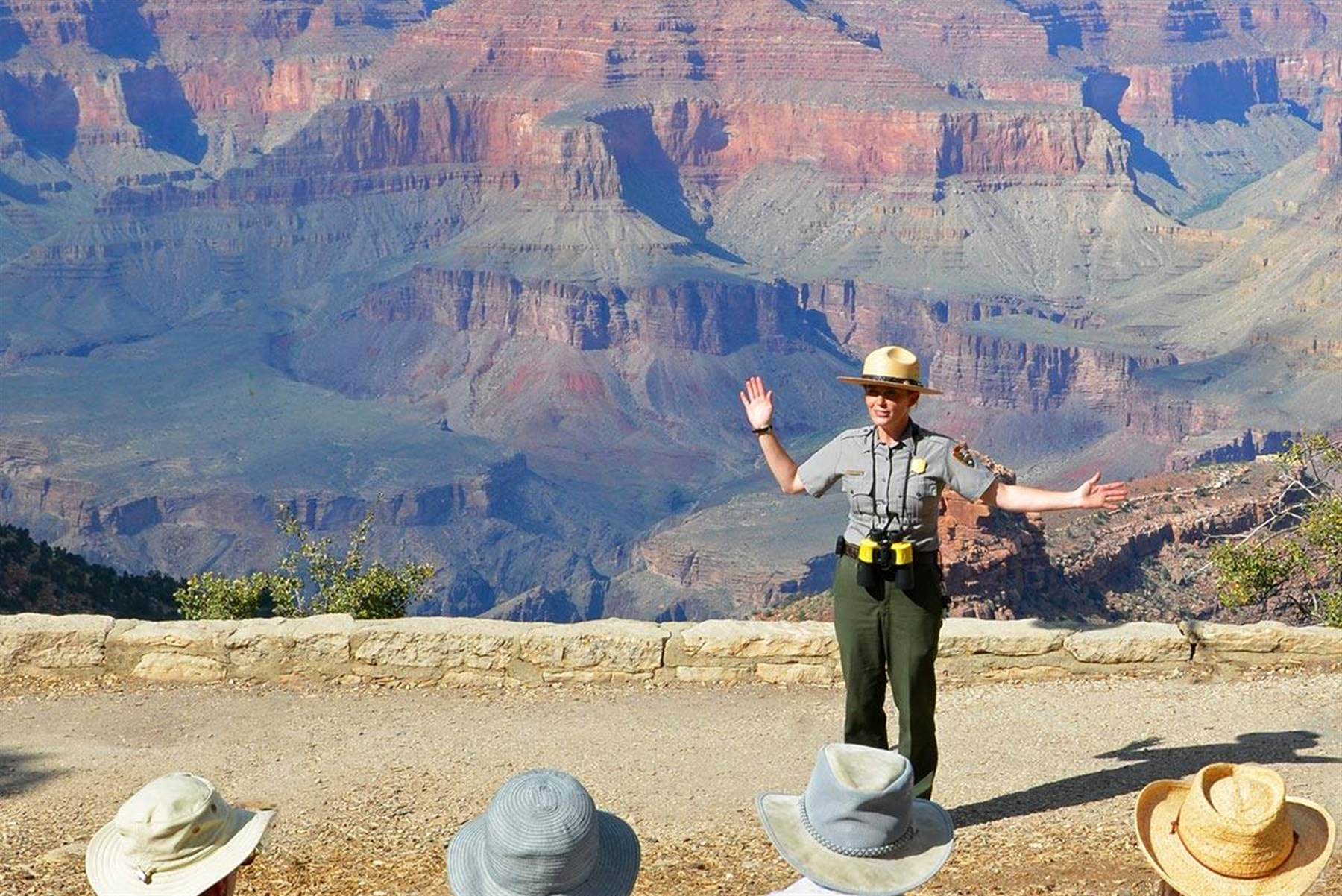
Before You Need This Page
Arizona's national parks, red rock trails, and desert highways are, for the overwhelming majority of visitors, entirely safe to enjoy without incident. This page isn't meant to alarm you — it's meant to sit quietly in the background of your trip planning, the way a smoke detector sits quietly in a hallway, so that if something does go sideways, you already know who to call and what to do.
We've organized this guide by situation: numbers to save before you leave, what to do in the specific emergencies that actually happen here (heat, flash floods, getting turned around on a trail), and where the nearest real medical care is if you need it. Bookmark it, screenshot the numbers, and then go enjoy your trip.
What actually causes trouble in Arizona is rarely dramatic — it's usually a combination of underestimating heat and elevation, losing cell signal at the wrong moment, or a fast-moving desert storm catching someone in a low-lying wash. None of that is unique to experienced or inexperienced travelers; it happens to both, which is exactly why a little preparation goes a long way regardless of how much outdoor experience you have.
Emergency Numbers to Know
Life-Threatening Emergency
Call 911. This works throughout Arizona, including inside Grand Canyon National Park — dispatchers route calls to the nearest ranger, sheriff, or fire and medical service based on your location.
Grand Canyon Ranger Dispatch (Non-Emergency)
For non-urgent park safety questions or to report a hazard that isn't an active emergency, the park's general information line can direct you to the appropriate office.
Arizona Road Conditions
AZ511.gov or dial 511 from any Arizona phone for real-time closures, weather advisories, and construction delays statewide.
Poison Control
1-800-222-1222, available 24/7 nationwide for suspected poisoning, including plant, insect, or scorpion-related concerns.
Save these before you leave home, not after you've lost signal on the drive up — a quick note in your phone or a printed card in the glovebox costs nothing and takes the guesswork out of a stressful moment.
It's also worth noting your specific location whenever possible before you place a call, since Arizona's parks and forests span areas served by different county sheriffs, and a precise description of where you are, a trail marker, mile marker, or nearby landmark, helps dispatchers route help far faster than a general description of "somewhere on the trail."
Grand Canyon Emergency Services
Grand Canyon Village on the South Rim has a small clinic staffed for non-critical medical needs, along with park rangers trained in search and rescue and wilderness medicine. For anything beyond what the clinic can handle, patients are stabilized and transferred to a full-service hospital, most commonly Flagstaff Medical Center.
Search and rescue operations at the Grand Canyon are a genuine, ongoing part of park operations — rangers respond to dozens of incidents each year, mostly related to heat, dehydration, or hikers underestimating the return climb from below the rim. If you become lost, injured, or see someone else in distress on a trail, reporting it to any ranger or park employee immediately is always the right move, even if you're not certain it rises to a true emergency.
Ranger stations are located at Grand Canyon Village, Desert View, and along the North Rim's more limited seasonal facilities, and uniformed staff patrol the main viewpoints and trailheads regularly during daylight hours. Shuttle drivers and visitor center staff are also trained to relay emergency reports to dispatch, so you don't necessarily need to locate a ranger directly if one isn't immediately visible.
Cell Service & Connectivity in Remote Arizona
Coverage is genuinely inconsistent across the region. Grand Canyon Village and the main South Rim developed area generally have signal on most major carriers, but coverage drops quickly along Desert View Drive, below the rim on inner-canyon trails, and across much of the surrounding high desert and forest between Williams, Flagstaff, and the park.
Downloading offline maps before you leave cell coverage, telling someone your planned route and return time, and not relying on your phone as your sole means of navigation or communication are all worth doing as a matter of routine, not just for backcountry hikes — even short drives on remote highways can put you well outside reliable signal.
Satellite messenger devices, which don't rely on cell towers at all, have become increasingly affordable and are worth considering for anyone planning extended hiking or driving through the more remote stretches between Flagstaff, the Grand Canyon, and the Arizona Strip north of the canyon. They allow you to send a check-in message or trigger an emergency alert from areas with zero cell coverage of any kind.
Heat-Related Emergencies
Know the Difference
Heat exhaustion: heavy sweating, weakness, nausea, headache. Move to shade, rest, and rehydrate with water or an electrolyte drink.
Heat stroke: confusion, hot and dry (or clammy) skin, rapid pulse, or loss of consciousness. This is a medical emergency — call 911 immediately and cool the person while waiting for help.
Arizona's combination of high elevation, intense sun, and low humidity means dehydration happens faster and less obviously than in more humid climates — you may not feel as sweaty as you'd expect even while losing significant fluid. Carrying more water than feels necessary, and drinking it steadily rather than only when thirsty, is the single most effective precaution against heat-related emergencies statewide.
The Grand Canyon's inner-canyon trails present a specific version of this risk: the hike down feels deceptively easy since it's downhill and often cooler in early morning, but the climb back out happens later in the day when temperatures peak, in the canyon's more sheltered, less breezy inner sections. Park rangers consistently identify this pattern, an easy descent followed by an underestimated, overheated return climb, as the leading cause of heat-related rescues at the park.
Flash Flood Safety
If You See Rising or Fast-Moving Water
Move to higher ground immediately, away from washes, canyon bottoms, and low-lying areas. Never attempt to drive or walk through flowing water, even if it looks shallow — it can be moving faster and be deeper than it appears, and vehicles are swept away in surprisingly little water.
Arizona's monsoon season, roughly July through September, brings sudden, intense storms that can trigger flash floods in canyons and washes many miles from where the rain actually fell — a clear sky overhead doesn't mean a wash is safe. Our Arizona Weather Guide covers monsoon season patterns and regional timing in more detail.
Slot canyons and narrow washes, including popular photography destinations near Page and Sedona, are particularly susceptible since floodwater funnels through them with little warning and nowhere to escape upward. Checking the forecast before entering any slot canyon or narrow wash during monsoon season, and turning back at the first sign of distant thunder or darkening skies upstream, is standard practice among experienced guides in the region.
Wildfire Information
Arizona experiences wildfires most commonly in the dry, hot months before monsoon season arrives, typically May and June, though conditions vary year to year. The InciWeb incident information system tracks active wildfires nationwide with real-time updates, and the Arizona Department of Forestry and Fire Management posts current fire restrictions by region.
If evacuation becomes necessary in an area you're traveling through, local authorities issue alerts through Wireless Emergency Alerts sent directly to cell phones, in addition to local news and radio — leave promptly when directed rather than waiting to assess the situation yourself.
Even without an active nearby fire, smoke drifting in from distant wildfires can affect air quality across the region during peak fire season, which is worth factoring in if anyone in your group has asthma or another respiratory condition. Checking a regional air quality index alongside the weather forecast is a simple additional step during late spring visits.
Winter Weather & Road Closures
Higher-elevation routes around Flagstaff, Williams, and the Grand Canyon's South Rim regularly see snow and icy conditions between November and March, and mountain passes can close temporarily during and after significant storms. AZ511.gov and the Arizona Department of Public Safety both post current closures and chain-up requirements in real time.
Carrying an emergency kit in the vehicle during winter months — blankets, water, a flashlight, and basic supplies — is a reasonable precaution on any Northern Arizona drive during this season, since a closed pass can mean an unplanned wait of an hour or more before roads reopen.
Visitors arriving from lower desert cities like Phoenix or Scottsdale are sometimes caught off guard by how quickly conditions shift with elevation — a sunny 70-degree morning in the Valley can mean active snowfall by the time you reach Flagstaff or the South Rim just a couple of hours later. Checking conditions specifically for your destination's elevation, not just your starting point, avoids this common surprise.
Wildlife Encounters
Elk are common around Grand Canyon Village and can appear docile, but they're wild animals that should never be approached or fed — keep a substantial distance and never position yourself between an elk and its calf. Mountain lion sightings are rare but do occur; if you encounter one, make yourself appear larger, maintain eye contact, and back away slowly without running.
Rattlesnakes are present throughout the region's lower elevations and are generally not aggressive if given space — the vast majority of bites occur when someone tries to handle or corner a snake rather than simply walking around it. Watching where you place your hands and feet on rocky terrain is a more useful habit than worrying about snakes actively seeking you out.
Scorpions and other small desert wildlife are more a nuisance than a serious danger for most visitors, though shaking out shoes and checking bedding before use at campgrounds or rustic lodging is a sensible habit in scorpion country. If you are stung or bitten by anything and experience unusual symptoms beyond localized pain and swelling, treat it as a medical concern worth calling Poison Control or 911 to discuss, rather than waiting to see if it resolves on its own.
Lost or Separated from Your Group
If you realize you've become separated from your group or unsure of the trail, stop moving rather than continuing to wander — staying in place makes you far easier to find and conserves energy and water. If you have cell signal, call or text your group and 911 with your last known landmark; if you don't, an emergency whistle (three sharp blasts is the universal distress signal) carries much farther than your voice.
Telling someone your planned route and expected return time before setting out, whether a hotel front desk, a fellow traveler, or a family member back home, means someone will know to raise an alarm if you don't check in — this single habit resolves more search-and-rescue situations faster than any piece of gear.
Many trailheads at the Grand Canyon and in Sedona post a sign-in log at the trailhead itself; using it, even for a short hike, gives rangers a starting point if you're reported overdue. It takes seconds and costs nothing, and it's one of the more overlooked safety habits among otherwise well-prepared hikers.
Medical Facilities Near the Grand Canyon
Grand Canyon Village's clinic on the South Rim handles non-critical injuries and illness during a visit. For more serious needs, Flagstaff Medical Center, roughly 80 miles south, is the nearest full-service hospital with an emergency department, and Williams and Page also have smaller urgent care facilities for less severe situations.
If you're traveling with ongoing medical needs or prescriptions, carrying enough medication for a few extra days beyond your planned trip length is worth the small extra effort, given how remote much of the region is from a full pharmacy.
Sedona, Williams, and Page each have smaller clinics or urgent care options as well, generally adequate for common travel ailments like minor injuries, dehydration, or altitude-related headaches, without needing the longer drive to Flagstaff for anything short of a true emergency.
Travel Insurance & Evacuation Coverage
For travelers planning strenuous hikes, multi-day backcountry trips, or simply wanting peace of mind, travel insurance that includes medical evacuation coverage is worth genuine consideration — a helicopter evacuation from below the Grand Canyon's rim, while rare, can cost tens of thousands of dollars without it. Standard travel insurance policies don't always include this coverage by default, so it's worth confirming specifically when you purchase a policy.
What to Carry for Emergencies
More water than you think you'll need, a basic first aid kit, a paper map or downloaded offline map as a backup to your phone, a whistle, and a portable phone charger cover most situations that actually arise on an Arizona trip. Our Arizona Packing Guide covers the full seasonal packing list in detail, including hiking-specific gear.
When Traveling with a Private Guide
One real advantage of a guided tour is that this entire list becomes someone else's responsibility to manage on your behalf. Reputable operators carry first aid supplies, know the terrain and current conditions, and often hold wilderness first response training — it's a reasonable, worthwhile question to ask any tour company directly before booking, and one we're always glad to answer about our own guides.
Let an Experienced Guide Handle the Unexpected
Our guides know these roads, this terrain, and current conditions firsthand, every single day. A private tour means an extra layer of preparedness built into your day from the start.
Frequently Asked Questions
What number do I call for an emergency in Arizona?
Call 911 for any life-threatening emergency anywhere in Arizona, including within Grand Canyon National Park. Dispatchers can route your call to the nearest park ranger, county sheriff, or fire and medical service based on your location.
Does my cell phone work at the Grand Canyon?
Coverage is inconsistent. Grand Canyon Village and the main South Rim visitor areas generally have signal, but coverage drops quickly along Desert View Drive, below the rim, and in much of the surrounding backcountry.
What should I do if I see signs of a flash flood?
Move to higher ground immediately and away from washes, canyons, and low-lying areas. Never attempt to drive or walk through flowing water, even if it looks shallow — it can be moving faster and be deeper than it appears.
What are the signs of heat exhaustion versus heat stroke?
Heat exhaustion involves heavy sweating, weakness, and nausea and can usually be treated by resting in shade and rehydrating. Heat stroke involves confusion, hot dry skin, or loss of consciousness and is a medical emergency requiring immediate 911 care.
Where can I check current road conditions in Arizona?
The Arizona Department of Transportation's AZ511.gov site and phone service provide real-time road closures, weather advisories, and construction delays statewide, including routes to and from the Grand Canyon.
What should I do if I encounter wildlife on a trail?
Keep your distance, never approach or feed any wild animal, and back away slowly if you encounter elk, deer, or other large wildlife. For rattlesnakes, simply give them a wide berth and let them move on undisturbed.
Is there a hospital near the Grand Canyon?
The nearest full-service hospital is Flagstaff Medical Center, about 80 miles from the South Rim. The park's own clinic in Grand Canyon Village handles non-critical medical needs and can arrange transfer for serious cases.
Do private tour guides carry emergency supplies?
Reputable operators do, and many guides carry first aid kits and are trained in wilderness first response. It's reasonable to ask a tour company directly about their guides' training and emergency preparedness before booking.
Continue Planning Your Trip
These guides go deeper into the destinations and logistics covered above.
Arizona Weather Guide
Seasonal conditions and monsoon safety by region.
READ GUIDE →Arizona Packing Guide
What to bring for every season and elevation.
READ GUIDE →Arizona Driving Guide
Road conditions, distances, and driving tips statewide.
READ GUIDE →Arizona Accessibility Guide
Travel tips for seniors and visitors with mobility concerns.
READ GUIDE →Grand Canyon Hiking Guide
Trail conditions and preparation for a safe hike.
READ GUIDE →Grand Canyon Travel Planner
Everything you need for a South Rim visit.
READ GUIDE →