When Is the Best Time to Visit Arizona?
There's no single best season for Arizona, because the state's weather changes dramatically by elevation. Phoenix and Scottsdale sit in the low desert and run hot for much of the year; Sedona sits higher and cooler with genuine four-season variety; Flagstaff and the Grand Canyon's South Rim sit higher still, with cold winters and comfortable summers; Page and Monument Valley bring their own high-desert extremes.
A month that's ideal for one Arizona destination can be uncomfortable for another at the very same time. The most useful approach is choosing your travel dates based on your destinations and planned activities first, then letting the calendar follow from there — which is exactly what this guide walks through.
It also helps to remember that many Arizona itineraries cover more than one elevation in a single trip. A traveler who spends a few days in Phoenix before heading north to Sedona and the Grand Canyon will experience genuinely different climates within the same week, sometimes with a 20-degree swing between stops. Planning around that variation, rather than assuming one forecast applies everywhere, makes for a far more comfortable trip.
- Phoenix & Scottsdale: best fall through spring; summer is intensely hot
- Sedona: best spring and fall; a true four-season destination
- Flagstaff: best summer through fall; genuinely cold, snowy winters
- Grand Canyon: South Rim year-round; spring through fall most popular
- Page: best spring and fall; hot and exposed in summer
- Monument Valley: best spring and fall; cold and windy in winter
Arizona's Climate Regions
Lower DesertPhoenix, Scottsdale, and Tucson. Mild winters, pleasant spring and fall, extremely hot summers.
Central & High DesertSedona, Prescott, and the Verde Valley. Genuine four seasons, warm summers, cool nights, occasional winter snow.
Northern ArizonaFlagstaff, Williams, and the Grand Canyon. Cooler summers, cold winters, snow and ice, the greatest seasonal swings statewide.
These three regions sit at meaningfully different elevations, and elevation is really the story behind Arizona's climate variety. Phoenix sits around 1,100 feet above sea level, Sedona around 4,500 feet, and Flagstaff and the Grand Canyon's South Rim both sit above 6,800 feet — a difference substantial enough to separate desert heat from mountain snow on the same calendar day. Our Arizona Weather Guide breaks these regions down further, with month-by-month detail for each.
Why Elevation Matters More Than the Calendar
As a rough rule of thumb, temperatures drop by roughly three to five degrees Fahrenheit for every 1,000 feet of elevation gained. That's the single most useful fact for planning an Arizona trip, because it explains why a single date on the calendar can mean sunbathing weather in Phoenix and a genuine winter coat in Flagstaff, just a two-hour drive apart.
This is also why regional forecasts matter more here than in most states — a "warm and sunny" statewide outlook can still mean freezing overnight temperatures at the Grand Canyon's South Rim. Checking conditions specifically for each stop on your itinerary, rather than relying on a single regional forecast, avoids packing and planning mistakes that catch many first-time visitors off guard.
Visiting Arizona by Season
Spring
Best for: Sedona, Phoenix, the Grand Canyon, desert wildflowers, hiking, and scenic drives. Considerations: spring break crowds, higher lodging demand, and possible late snow in northern Arizona.
Summer
Best for: Flagstaff, Williams, the Grand Canyon's South Rim, and high-elevation recreation. Considerations: extreme lower-desert heat, monsoon storms, lightning, and flash floods.
Fall
Best for: Sedona, the Grand Canyon, Flagstaff, Monument Valley, and road trips. Considerations: cold northern nights, busy Sedona weekends, and possible late-fall snow at higher elevations.
Winter
Best for: Phoenix, Scottsdale, Tucson, desert hiking, golf, and resorts. Considerations: snow and ice in northern Arizona, shorter daylight hours, and winter road conditions on higher routes.
Each season also has a distinct character worth weighing beyond weather alone. Spring and fall both deliver Arizona at its most photogenic — clear skies, comfortable temperatures, and good visibility for the state's famous overlooks — which is exactly why they're also its busiest and most expensive travel windows. Summer and winter both offer a trade: summer opens up northern Arizona's cooler forests while closing off the lower desert to comfortable daytime activity, and winter does roughly the reverse.
Arizona Month by Month
January & February
Best for lower-desert destinations, golf, resorts, and hiking, with Phoenix and Scottsdale at their most comfortable all year. Northern Arizona may have snow and ice on the ground and on the roads, so check current conditions before heading toward Flagstaff or the Grand Canyon, and pack layers if your itinerary includes both regions.
March & April
Excellent for Sedona, Phoenix, Tucson, and Grand Canyon sightseeing, with wildflowers often beginning to appear across the desert. Expect spring-break crowds and noticeably higher demand for lodging and tours during this stretch, so book key nights and any guided activities well in advance.
May & June
Temperatures rise quickly in the lower desert, making midday outdoor activity increasingly uncomfortable, while northern Arizona becomes increasingly comfortable and accessible as remaining snow melts off higher trails. A good window to shift the bulk of your itinerary north, saving Phoenix for early mornings or evenings.
July & August
Best suited to Flagstaff, Williams, and higher elevations generally, where daytime temperatures stay comfortably manageable. Prepare for serious lower-desert heat, dramatic monsoon thunderstorms most afternoons, and real flash-flood risk in canyons and washes — check forecasts daily rather than relying on a single trip-planning check.
September & October
A strong statewide travel window with cooler temperatures returning to the desert, early fall colors appearing at higher elevations, and comfortable outdoor conditions nearly everywhere. Monsoon season winds down through September, making October one of the most reliably pleasant months to visit almost any Arizona destination.
November & December
Excellent for Phoenix and Scottsdale as temperatures settle into a comfortable range for golf, hiking, and outdoor dining. Northern Arizona turns genuinely cold, with possible snow and winter-driving conditions on routes to Flagstaff and the Grand Canyon, especially later in December.
Best Time to Visit Arizona's Major Destinations
Grand Canyon
Spring through fall is most popular, and the South Rim is open year-round. Winter offers dramatic snow scenery and noticeably fewer visitors, while the North Rim has seasonal access and typically closes for the winter months. Our Grand Canyon Travel Planner covers seasonal access, shuttle schedules, and rim-specific timing in much greater depth.
Sedona
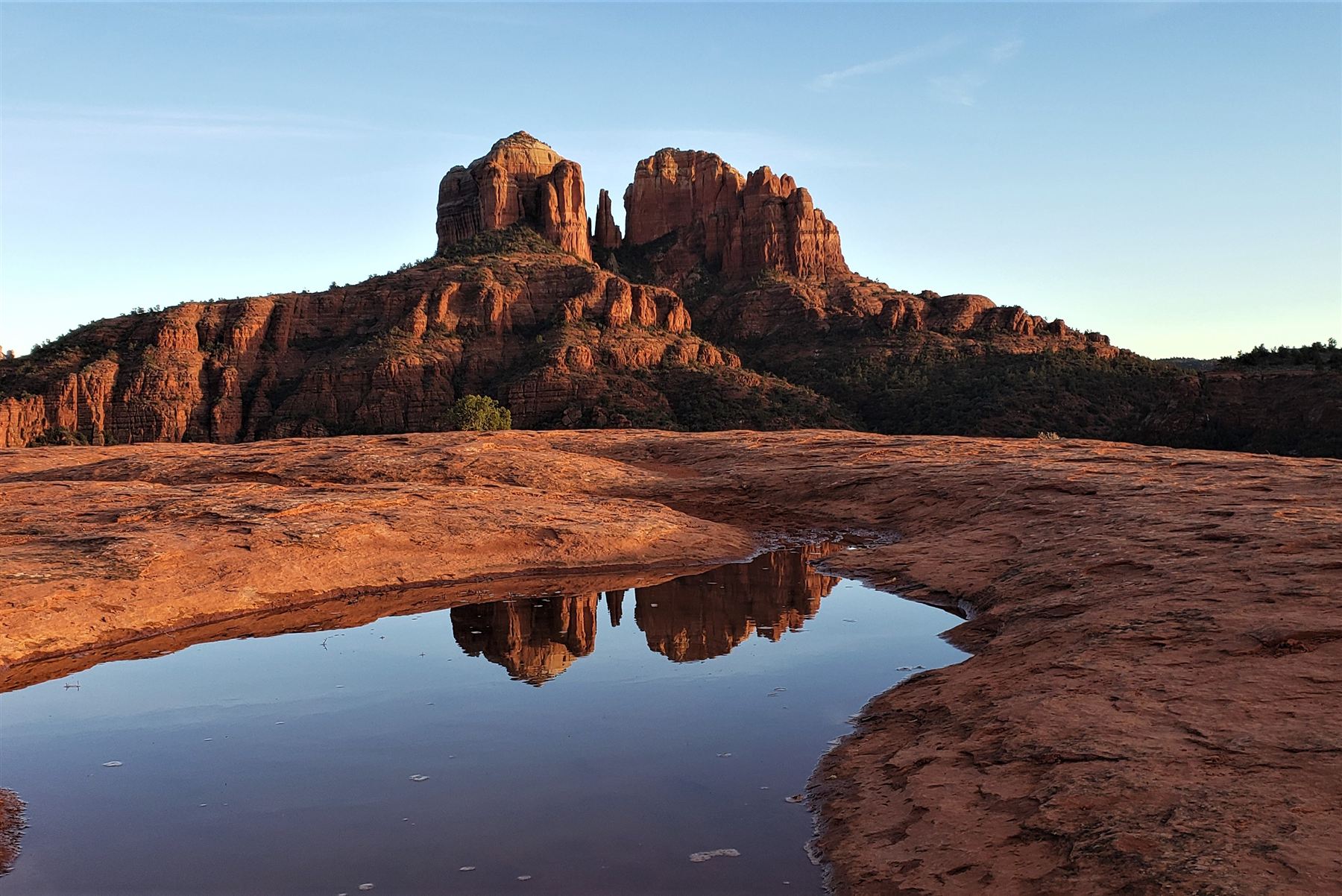
Spring and fall offer the most comfortable hiking weather and the classic red-rock light Sedona is famous for. Summer brings real heat and monsoon storms; winter can be quieter, with occasional light snow dusting the rocks — a striking, less-photographed look for a destination most visitors picture under clear blue skies. Our full Sedona Guide covers trail conditions and seasonal crowd patterns in detail.
Flagstaff
Summer is cool and comfortable relative to the rest of the state, making it a popular escape from lower-desert heat. Fall brings changing leaves at higher elevations, and winter offers genuine snow and winter recreation, including a local ski area — a detail that surprises many first-time Arizona visitors. Our Flagstaff Guide covers the town across all four seasons.
Phoenix and Scottsdale
Fall through spring is the main outdoor season, with comfortable temperatures for golf, hiking, and patio dining. Summer can offer resort value for travelers who don't mind the heat, but it's a demanding season for outdoor activity. Our Phoenix Guide and Scottsdale Guide cover both destinations across every season.
Page and Monument Valley
Spring and fall generally offer the most comfortable conditions for these exposed, high-desert landscapes. Summer can be hot with little shade, and winter can be cold and windy across open terrain, though the dramatic winter light and near-empty overlooks appeal to photographers willing to bundle up. Our Monument Valley Guide and Antelope Canyon Guide cover seasonal access and tour timing for this region.
Best Time for Popular Arizona Activities
Hiking
Lower desert trails are best late fall through early spring; Sedona is best in spring and fall; northern Arizona trails are best from late spring through early fall, once snow has cleared at higher elevations. Starting early in the day matters in every region, but it matters most in the lower desert, where afternoon heat can turn a pleasant morning hike into a genuine hazard by midday. Our Desert Safety Guide covers heat, hydration, and trail timing in much greater depth.
Wildflowers
Usually a spring event, though exact bloom timing depends heavily on rainfall and temperature from the preceding months. Our Desert Wildflowers guide covers what to expect and where to look.
Stargazing
Available year-round across much of Arizona. Choose clear nights near a new moon, and prepare for genuinely cold temperatures after dark at higher elevations, even during warmer months. Winter skies tend to be the clearest statewide, since cooler air holds less haze and humidity, though the cold makes for a shorter comfortable viewing window. Our Stargazing Guide covers timing and locations in detail.
Road Trips
Spring and fall generally provide the broadest combination of comfortable weather and reliable access to destinations across every elevation, making them the easiest seasons for a multi-stop itinerary. Our Arizona Driving Guide covers seasonal road conditions, mountain driving, and distances between major stops if your trip involves significant time behind the wheel.
Best Time to Avoid Crowds
Traveling midweek, avoiding major holidays, visiting during shoulder periods, starting activities early in the day, and booking hotels and tours in advance all help you avoid the busiest stretches. It's worth remembering that Arizona's most pleasant-weather periods are often also its busiest — comfortable temperatures draw crowds, so a little extra planning goes a long way during peak windows.
Popular overlooks and trailheads fill their parking areas by mid-morning during peak spring and fall weekends, particularly at the Grand Canyon and in Sedona. Arriving at sunrise doesn't just improve your photos — it's often the only reliable way to find parking and enjoy a viewpoint without a crowd at the destinations everyone else is also trying to see.
A few specific windows are worth planning around deliberately: spring break (roughly mid-March through early April) brings some of the year's heaviest crowds statewide, Thanksgiving and the week between Christmas and New Year's draw large numbers to Phoenix and Scottsdale specifically, and Presidents Day weekend in February is a smaller but noticeable spike for the same lower-desert destinations. Traveling just before or after these windows often delivers similar weather with a fraction of the crowd.
Cheapest Time to Visit Arizona
Lower prices depend heavily on the region. Phoenix and Scottsdale may cost less during summer, when heat keeps demand down. Northern Arizona may cost less during colder periods, once the fall color and holiday travel windows pass. Sedona is often more affordable midweek or just outside its peak spring and fall dates. See our Budgeting Your Arizona Trip guide for a full breakdown of seasonal cost patterns and money-saving strategies.
Because Arizona's regions run on nearly opposite pricing calendars, a flexible traveler can often find good value somewhere in the state no matter when they book. A trip built around a summer visit to cool, quiet Flagstaff, or a winter escape to sunny Phoenix, can both deliver strong value precisely because they fall outside each region's own peak season.
Choosing the Best Month for Your Trip
With so many regions, seasons, and trade-offs in play, it helps to work through a short set of questions before settling on travel dates rather than defaulting to whatever month happens to be convenient.
- Which destinations matter most? — build your calendar around them first
- What activities do you want to do? — hiking, photography, and stargazing all favor different conditions
- How well do you tolerate heat? — this alone rules out entire months for the lower desert
- Are you comfortable driving in snow? — a real factor for winter trips to northern Arizona
- Do you prefer fewer crowds or ideal weather? — the two rarely align perfectly
- Is budget a major priority? — off-peak timing is one of the simplest ways to save
Choose your travel month around your most important destination, then build the rest of the trip around similar elevations and seasonal conditions.
This approach avoids the most common planning mistake we see: picking a date first and then discovering that it's a poor fit for the specific places on the itinerary. A trip planned around the Grand Canyon in July, for instance, works fine at the South Rim itself but leaves little room for comfortable side trips to Phoenix — while the reverse, a Phoenix-anchored July trip, works well for the city but poorly for extended time outdoors nearby.
Experience Arizona in Every Season
Whatever month you choose, Grand Canyon Journeys offers private transportation, an experienced local guide, hotel pickup, and a flexible pace — with tours departing from Sedona, Flagstaff, and Williams year-round. No parking to manage and no navigation to handle, whatever the season throws at your travel dates. Our guides also track seasonal conditions daily, which matters more than it might seem: a route or overlook that's ideal in the morning can shift by afternoon during monsoon season, and local knowledge of the day's specific conditions is hard to replicate from a guidebook alone.
Frequently Asked Questions
What is the best month to visit Arizona?
March, April, October, and November are consistently strong choices statewide, offering comfortable temperatures in both the lower desert and higher elevations. The single best month still depends on which destinations and activities matter most to your trip — a Grand Canyon-focused trip and a Phoenix-focused trip won't necessarily favor the exact same weeks.
What is the best time to visit the Grand Canyon?
Spring through fall is the most popular and reliably accessible period, though the South Rim stays open year-round and winter offers snow-dusted views with far fewer visitors.
When is Arizona too hot?
The lower desert, including Phoenix, Scottsdale, and Tucson, is at its hottest from June through August, when strenuous outdoor activity in the middle of the day becomes genuinely risky.
What is the best season for Sedona?
Spring and fall offer the most comfortable hiking weather and the classic red-rock scenery Sedona is known for, though both seasons also bring the busiest weekends.
Is Arizona worth visiting in winter?
Yes, especially for the lower desert. Phoenix, Scottsdale, and Tucson are at their most pleasant during winter, while northern Arizona offers a quieter, snow-dusted alternative for travelers prepared for cold and winter driving conditions. Seeing the Grand Canyon or Sedona's red rocks with a light dusting of snow is a genuinely different, memorable experience compared to the more common sunny-sky photos.
Is summer a good time to visit Arizona?
Summer works well for Flagstaff, Williams, and the Grand Canyon's South Rim, where elevation keeps temperatures comfortable, but it's a difficult season for extended time in the lower desert.
When is Arizona's monsoon season?
Roughly July through September, bringing dramatic afternoon thunderstorms, lightning, and flash-flood risk across much of the state, particularly in canyons and washes.
What is the cheapest time to visit Arizona?
It depends on the region — Phoenix and Scottsdale often see lower rates in summer, while northern Arizona and Sedona can be more affordable during colder months or midweek outside peak season. Booking well in advance and avoiding major holidays also helps regardless of which region you're visiting.
Continue Planning Your Trip
These guides go deeper into the weather, costs, and logistics covered above — worth reading once you've settled on rough travel dates, so you can pack, budget, and plan your route around the specific conditions you'll actually encounter.
Arizona Weather Guide
Detailed monthly temperatures, monsoon timing, and snow.
READ GUIDE →Budgeting Your Arizona Trip
Seasonal cost patterns and money-saving strategies.
READ GUIDE →Arizona Packing Guide
What to bring for every season and elevation.
READ GUIDE →Arizona Driving Guide
Road conditions and seasonal driving tips statewide.
READ GUIDE →Arizona Desert Safety Guide
Heat, monsoon, and seasonal safety planning.
READ GUIDE →Grand Canyon Travel Planner
Everything you need for a South Rim visit.
READ GUIDE →